
Table of Contents
Introduction
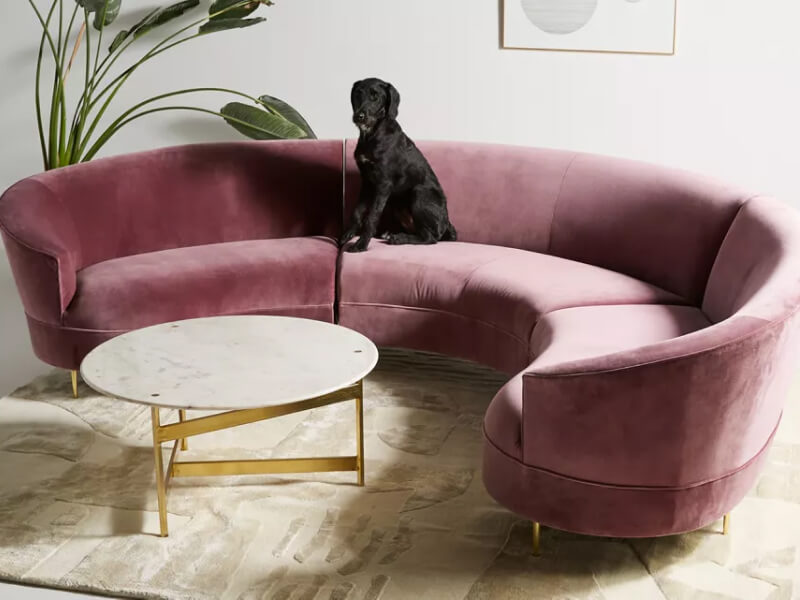
In recent years, interior design has shifted towards incorporating curved furniture pieces that exude elegance, comfort, and unique aesthetic appeal. This trend, which gained traction in the mid-20th century with mid-century modern design, has now become a staple in contemporary spaces. Curved pieces, characterized by their soft, rounded edges and flowing lines, are visually appealing and add a touch of sophistication and warmth to any room.
The Appeal of Curved Furniture
The resurgence of interest in curved furniture can be attributed to several factors. One primary reason is the desire for comfort and relaxation. Curved sofas, chairs, and tables create a cozy and inviting atmosphere, perfect for a comfortable living space. The smooth, rounded edges make these pieces more ergonomic, allowing the body to rest more naturally. The fluidity of curved pieces offers a visual break from typical straight lines, making them a standout choice in home decor.

Creating Movement and Flow
Another reason for the popularity of curved furniture is its ability to create a sense of movement and flow within a room. The fluid lines of a curved sofa, for example, can help break up the rigid lines of a room’s architecture, making the space feel more dynamic and less static. This is particularly useful in open-plan spaces, where furniture can define different zones without the need for walls or partitions. The gentle arcs and bends guide the eye seamlessly around the room, enhancing the overall aesthetic and spatial harmony.
Adding Personality and Warmth
Curved furniture also adds a touch of personality to a room. Unlike straight-edged pieces, which can sometimes feel stark and impersonal, curved pieces have a more organic feel that makes a room feel more lived-in and welcoming. This is especially true for pieces with a more pronounced curve, such as an armchair with a sweeping back or a dining table with a dramatically curved edge. These elements can serve as focal points, drawing attention and sparking conversation.
Tips for Incorporating Curved Pieces into Your Home
When incorporating curved furniture into your home, there are a few key considerations to keep in mind. Firstly, ensure that the piece you choose fits well within the overall style of your home. While curved pieces can work in a variety of settings, they are particularly well-suited to modern and contemporary spaces. However, with thoughtful placement and complementary accessories, they can also blend seamlessly into more traditional interiors.
Secondly, pay attention to the scale of the piece. A large, dramatically curved sofa might look stunning in a spacious living room, but it could feel overwhelming in a smaller space. Conversely, a small, curved chair might get lost in a large room. Balance is key; ensure that the size of the furniture complements the dimensions of the space.

Material and Color Considerations
Finally, consider the material and color of the piece. Curved furniture often looks best in materials that can be easily molded, such as wood, plastic, or fiberglass. Upholstered pieces in luxurious fabrics like velvet or leather can add an extra layer of sophistication. As for color, consider choosing a piece in a bold, eye-catching hue to make a statement, or opt for a neutral shade to keep the focus on the piece’s unique shape. Additionally, coordinating the colors of your curved furniture with other elements in the room can create a cohesive and harmonious look.
Conclusion
Curved furniture is a versatile and stylish addition to any home. Whether you’re looking to create a cozy, comfortable living space, add a touch of personality to a room, or simply want to break up the lines of your home’s architecture, curved pieces offer a wide range of possibilities. With their organic shapes and fluid lines, this trend is sure to stand the test of time in interior design.
By understanding the appeal and application of curved furniture, you can enhance your home decor and embrace a style that blends comfort with stunning visual appeal. The timeless elegance of these pieces ensures that they will remain a cherished element in interior design for years to come, offering both aesthetic beauty and functional comfort.
FAQ
Q1. What types of rooms are best suited for curved furniture?
A1. It works well in various rooms, especially living rooms and dining areas. It adds warmth and personality, making these spaces more inviting and comfortable.
Q2. How can curved furniture enhance the flow of a room?
A2. The fluid lines of curved furniture create a sense of movement and flow, guiding the eye smoothly around the space. This can help break up the rigid lines of architecture, especially in open-plan layouts.
Q3. Are there specific styles of decor that complement curved furniture?
A3. It often complements modern and contemporary decor styles due to its sleek lines and organic shapes. However, with thoughtful styling, it can also blend seamlessly into traditional or eclectic interiors.
Q4. What are some material options?
A4. It is typically crafted from materials like wood, plastic, fiberglass, or metals that can be molded into curved shapes. Upholstered pieces in velvet or leather add a luxurious touch.
Q5. How can I maintain harmony when mixing curved and straight-edged furniture?
A5. Balance is key when mixing curved and straight-edged furniture. Aim for contrast in shapes while maintaining coherence in color, material, or overall style to achieve a harmonious blend.
Q6. Are there specific design principles for arranging furniture with soft, flowing lines?
A6. Arrange furniture with organic shapes to encourage a sense of movement and balance. Avoid rigid formations; instead, create inviting seating arrangements that promote interaction.
Leave a Reply