
Table of Contents
Introduction
In recent years, the concept of sustainable interior design has gained significant traction, with more homeowners and designers embracing eco-friendly practices. Sustainable interior design represents a commitment to the planet, integrating materials, technologies, and practices that reduce environmental impact while enhancing living spaces. This approach promotes eco-friendly options and a lifestyle that values sustainability at every turn. Whether selecting materials or considering energy efficiency, sustainable interior design is about making conscious choices for your health and the environment.
Understanding Sustainable Interior Design
Sustainable interior design is the art of crafting spaces that prioritize the use of eco-friendly materials, energy efficiency, and a minimal environmental footprint. It’s a holistic approach that considers everything from the sourcing of materials to the longevity and lifecycle of each piece. By integrating these strategies into your home design, you create a space that’s efficient, water-conserving, and healthy for its occupants.
The Benefits of Eco-Friendly Interior Design
1. Environmental Benefits
Eco-friendly interior design reduces the negative impacts of consumption on the planet. It minimizes the use of non-renewable resources and employs sustainable materials and methods. This approach also protects ecosystems and improves air and water quality.
2. Economic Benefits
Sustainable design reduces the cost of operating a building and can increase property value. It also promotes productivity among occupants by creating healthier indoor environments.
3. Social Benefits
Eco-friendly design supports economically disadvantaged producers and ensures transparency and accountability. It also upholds fair payment practices and promotes community well-being.
4. Health Benefits
Sustainable design ensures safe working environments and improves indoor air quality, which positively impacts the health of the occupants.
Incorporating Green Materials
1. Bamboo
Bamboo grows rapidly and is highly renewable, making it an excellent alternative to traditional hardwood in green building design.
2. Cork
Cork is biodegradable and provides excellent insulation, making it a great choice for sustainable interior design.
3. Recycled Glass or Metal
These materials are perfect for eco-friendly design, offering durability and a lower environmental impact.
4. Organic Fabrics
Choose fabrics made from organic cotton, linen, or hemp to avoid harmful chemicals.
5. Low VOC Paints
Volatile Organic Compounds (VOCs) can be harmful to the environment and health. Opt for low or zero VOC paints.
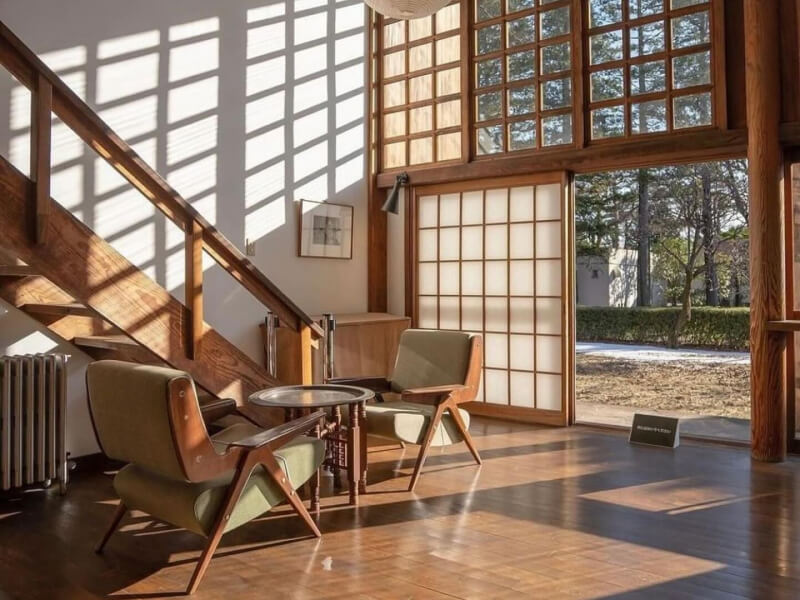
6. Reclaimed Wood
Using reclaimed wood reduces the demand for new lumber and the environmental impact of logging.
Maximizing Energy Efficiency
1. LED Lighting
LED bulbs use a fraction of the energy of traditional incandescent bulbs and last much longer, reducing both energy consumption and waste.
2. Energy-Efficient Appliances
Choose appliances with high energy efficiency ratings to reduce your carbon footprint.
3. Smart Home Technology
Smart thermostats, lighting systems, and appliances can help reduce energy consumption significantly.
4. Passive Solar Design
Use the sun’s energy to heat and cool your home by incorporating passive solar design principles.
5. Insulation
Proper insulation in walls, attics, and flooring reduces heat loss in the winter and heat gain in the summer, enhancing energy efficiency.
Water Conservation Strategies
1. Low-Flow Fixtures
Install low-flow faucets, showerheads, and toilets to conserve water without sacrificing performance.
2. Rainwater Harvesting
Collect rainwater for use in your garden or to flush toilets, reducing the demand on municipal water supplies.
3. Greywater Systems
Greywater systems reuse water from sinks, showers, and washing machines for irrigation or flushing toilets, contributing to significant water savings.
Waste Reduction in Interior Design
1. Upcycling
Give new life to old items by upcycling them into something new and functional.
2. Recycling
Recycle as much as possible to reduce waste and promote a circular economy.
3. Composting
Compost food scraps and yard waste to reduce landfill waste and create nutrient-rich soil for gardening.
4. Minimizing Packaging
Choose products with minimal packaging to reduce waste and environmental impact.
Certifications and Standards
Certifications and standards offer a beacon of trust and quality, signaling products and practices that meet rigorous environmental and health criteria. Some well-known certifications include:
1. Forest Stewardship Council (FSC)
Ensures ethical and sustainable sourcing of wood products.
2. B Corp
This accreditation proves a brand has made sustainable efforts in planet and people.
3. Global Organic Textile Standard (GOTS)
The standard accreditation for organic cotton and other textiles.
4. Low Volatile Organic Compounds (Low VOC)
VOCs are found in newly bought furniture, paints, and wood stains. Opting for low VOC products ensures a healthier indoor environment.
The Future of Sustainable Interior Design
The integration of waste reduction strategies, smart technologies, and adherence to established certifications and standards underlines the comprehensive approach required for effective green interior design. As we move forward, the incorporation of innovative materials, smart technologies, and a deeper understanding of sustainability will continue to shape the way we design and inhabit our spaces. This represents a hopeful path toward a sustainable future, where every home and office can be a testament to efficiency, health, and harmony with the natural world.
Innovative materials like biodegradable composites and advanced recycling techniques are set to revolutionize the industry. Smart home technologies that optimize energy and water use will become increasingly prevalent, making sustainable choices easier and more efficient for homeowners. The future of sustainable interior design is bright, promising more eco-friendly options and innovative solutions that benefit both people and the planet.
Conclusion
Sustainable interior design is more than just a trend; it’s a commitment to creating spaces that are not only stylish and comfortable but also kind to the planet. By incorporating eco-friendly materials, energy-efficient technologies, and waste reduction strategies, you can create a home that’s beneficial for both you and the environment.
As the world becomes more conscious of the need for sustainability, sustainable interior design is becoming more accessible and mainstream. With a wide range of eco-friendly options available, from furniture to lighting to paint, it’s easier than ever to create a green home that reflects your values and contributes to a healthier planet. Embracing sustainable design means making choices that are good for the environment, your wallet, and your well-being, ensuring a better future for all.
Leave a Reply