
Table of Contents
Introduction
Home library design is about creating a sanctuary where you can immerse yourself in literature, surrounded by the comforting presence of your favorite books. Whether you’re a passionate book collector or simply enjoy having a dedicated space for reading and relaxation, designing a home library that reflects your style and meets your needs is essential. This article explores various aspects of home library design, including layout, storage, lighting, furniture, and decor, to help you create a cozy and functional space that you’ll love spending time in.
1. Determine the Purpose and Function of Your Home Library
Before diving into the design process, consider how you want to use your home library. Will it be a space for quiet reading, studying, or working? Do you plan to entertain guests or host book clubs? Understanding the primary function of your home library design will help you make informed decisions about its layout, furniture, and storage solutions.

2. Choose the Right Location
Selecting the perfect spot for your home library is crucial. Ideally, the room should be away from high-traffic areas and have good natural lighting. If you have a spare room, consider transforming it into your library. Alternatively, you can create a library nook in a larger room, such as a living room or bedroom, by using bookshelves or room dividers to create a separate space.
3. Plan the Layout
Once you’ve chosen the location, it’s time to plan the layout. Consider the size of the room and the amount of space you need for seating, bookshelves, and other furniture. A popular home library layout option is to place bookshelves along the walls, leaving the center of the room open for seating. This creates a cozy reading nook and makes the most of the available space.
4. Select the Right Storage Solutions
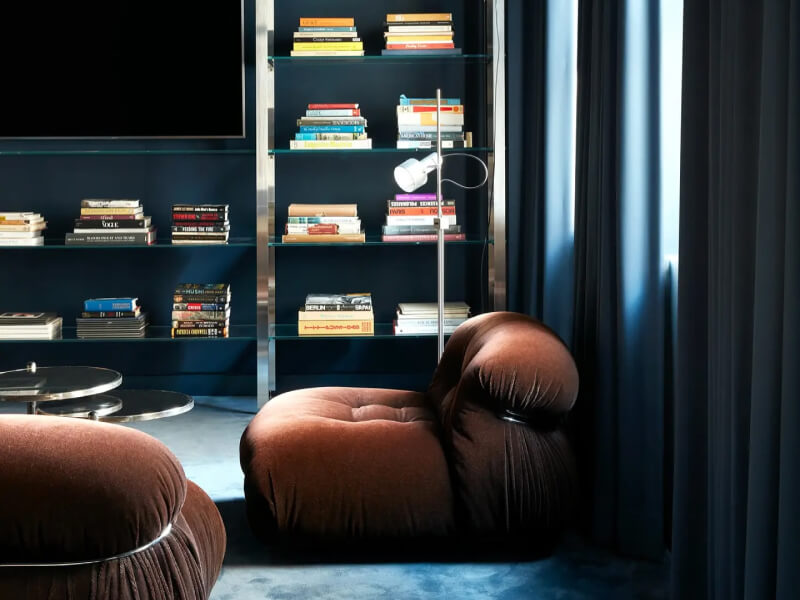
Bookshelves are the backbone of any home library. Choose book storage solutions that fit the style of your home and provide ample storage for your book collection. Consider the height of the shelves, as well as the number of shelves you need. If you have a large collection, consider installing floor-to-ceiling bookshelves or using a library ladder to access higher shelves.
5. Invest in Comfortable Seating
Comfortable seating is essential for a home library. For great library decor ideas, choose an armchair or sofa you can sink into for hours of reading. Add a footstool or ottoman for added comfort, and consider adding a side table for holding books, drinks, or snacks.

6. Create a Cozy Atmosphere with Lighting
Lighting plays a crucial role in creating a cozy atmosphere in your home library. Install a combination of ambient, task, and accent lighting to provide the right amount of light for reading, studying, or relaxing. Consider using table lamps, floor lamps, or wall sconces to create a warm and inviting ambiance.
7. Add Personal Touches
Personalize your home library by adding decorative accents and artwork that reflect your style and interests. Consider displaying your favorite books, bookends, or artwork on the bookshelves. You can also add a rug, curtains, or cushions in your favorite colors to create a cohesive and inviting space.

8. Organize Your Books
Organizing your books is essential for a functional home library. Sort your books by genre, author, or color, and arrange them neatly on the bookshelves. Use bookends to keep books from falling over, and consider using decorative boxes or baskets to store smaller items, such as bookmarks or reading glasses.
9. Create a Reading Nook
If you have a small space, consider creating a cozy reading nook in your home library. Install a window seat or a built-in bench with cushions and pillows to create a comfortable reading spot. Add a small side table for holding books and a lamp for reading.
10. Make the Most of Vertical Space
If you have limited floor space, make the most of vertical space by installing tall bookshelves or using a library ladder to access higher shelves. You can also use wall-mounted shelves to store books, decorative accents, or artwork.
11. Incorporate Technology
If you enjoy using technology for reading or studying, consider incorporating a tablet or e-reader into your home library design. You can also install a smart speaker or a charging station for your devices.

12. Add a Desk or Work Area
If you plan to use your home library for studying or working, consider adding a desk or work area. Choose a desk that fits the style of your library and provides ample space for your computer, papers, and other work materials.
13. Create a Cozy Atmosphere with Color and Texture
Use color and texture to create a cozy atmosphere in your home library. Choose warm, earthy tones for the walls, and add texture with a rug, curtains, or cushions. Consider using natural materials, such as wood or stone, to create a warm and inviting space.

14. Add Plants
Plants are a great way to add life and color to your home library. Choose low-maintenance plants, such as succulents or ferns, and place them on bookshelves or in decorative pots.
15. Keep it Organized and Clutter-Free
Keeping your home library organized and clutter-free is essential for a functional and inviting space. Regularly dust and clean your bookshelves, and declutter your collection by donating or selling books you no longer want.
Conclusion
Designing a cozy and functional home library involves careful planning, thoughtful design choices, and attention to detail. By considering the purpose, layout, storage, lighting, furniture, and decor of your library, you can create a space that you’ll love spending time in, whether you’re reading, studying, or simply relaxing. With the right approach, your home library can become a sanctuary that reflects your style and meets your needs.
Leave a Reply